Vardan Aygektsi: The Prominent Fabulist and Ecclesiastical Figure of Medieval Armenian Literature
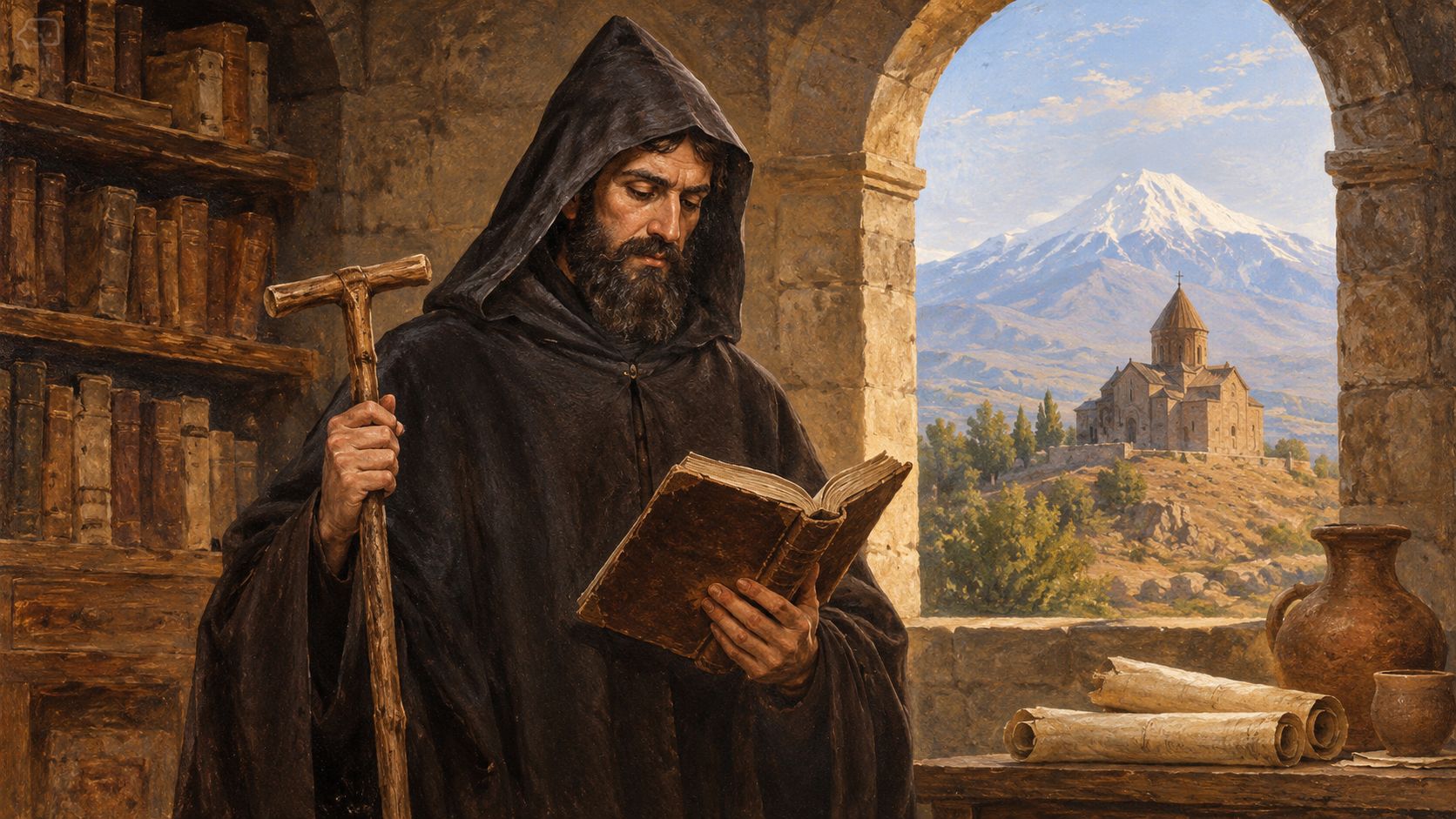
Vardan Aygektsi stands as one of the most influential figures in Armenian culture, church, and literary life of the late twelfth and early thirteenth centuries, whose works played an enormous role in the development of popular thought and moral discourse. Biographical data about him remain scarce, yet it is known that he was born in Marash, received his education at the Arkakahin monastery, and later settled at the Aygek monastery in the Taurus Mountains of Cilician Armenia, from which he derived his surname. As a high-ranking clergyman and one of the most enlightened intellectuals of his time, Aygektsi actively participated in church councils and theological discussions, consistently standing in defense of national traditions. The greatest literary achievement of Aygektsi is his collection of fables, which in subsequent centuries was enriched by other authors and became widely known as the Book of the Fox. Unlike his predecessors, he composed his works in a language accessible to the common people, utilizing animal imagery and allegories to criticize social injustice, human vices, greed, and ignorance. His sharp word and wise counsels were equally addressed to rulers, clergy, and ordinary laborers alike. In addition to fables, he authored numerous discourses, instructive letters, and sermons distinguished by their psychological depth and exceptional educational value. The rich legacy left by the prominent writer belongs to the golden fund of classical Armenian literature and