Tigranes the Great
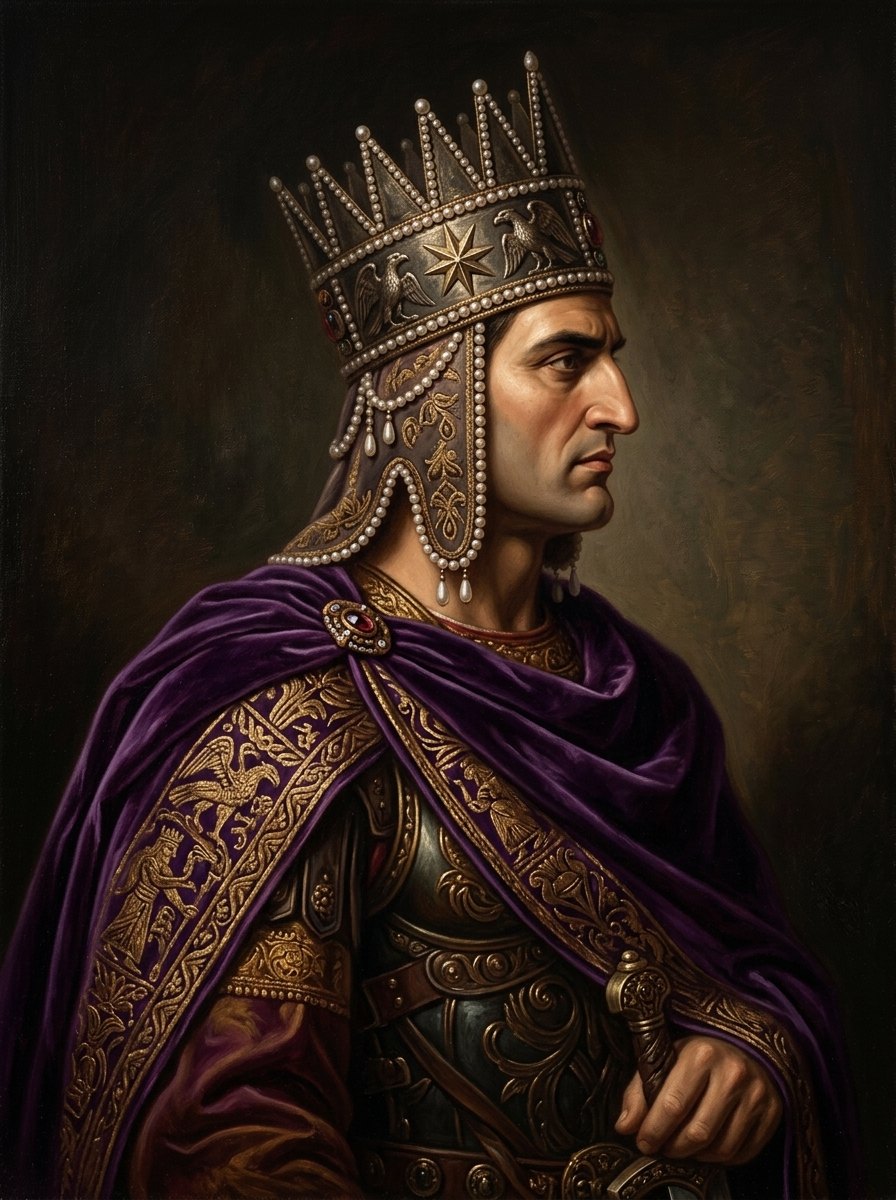
Tigranes II Artaxiad, who entered history as Tigranes the Great, was born around 140 BC. He was a representative of the Artaxiad dynasty, the son of King Tigranes I and the nephew of Artavasdes I. In his youth, he was held as a hostage at the court of the Parthian Empire due to the Armenian defeat in the Armenian-Parthian war. In 95 BC, following the death of his father, Tigranes was released by the Parthians in exchange for ceding a territory known as the Seventy Valleys in the southeast of Greater Armenia, and subsequently ascended the Armenian throne. In the very first years of his reign, Tigranes the Great began implementing large-scale military and political reforms. In 94 BC, he annexed the Kingdom of Sophene to Greater Armenia, and in 93 BC, he concluded a strategic alliance with the King of Pontus, Mithridates VI Eupator. In the following years, the Armenian army conducted successful military campaigns against Parthia, reclaimed the ceded valleys, and conquered Media and Mesopotamia, after which Tigranes II assumed the title of King of Kings. In 84–83 BC, he established his rule over Syria, Phoenicia, and Cilicia without resistance, creating a vast empire stretching from sea to sea. To ensure the centralization of the empire, a new capital city, Tigranocerta, was founded in the 80s BC, which quickly became a major center of Hellenistic culture, crafts, and trade. However, the rise of the Armenian Empire clashed with the interests of the Roman Republic. In 69 BC, the R