Armenian Diaspora: From Historical Origins to the Intellectual Impact on Global Progress
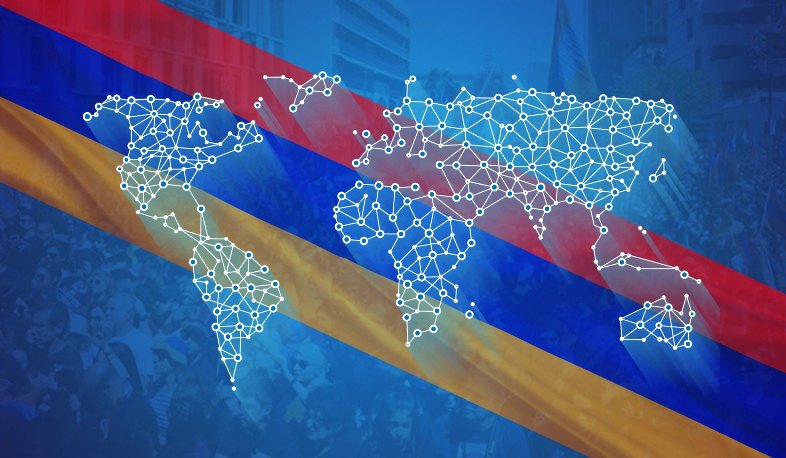
The Armenian diaspora is one of the most widespread, structurally established, and influential transnational networks in the world, with its formation and evolution rooted in centuries of migration. Globally, the ethnic Armenian population is estimated between 10 and 12 million, with approximately 7 to 8 million forming the core of institutional communities abroad. The historical formation of the diaspora occurred in distinct phases: initial waves began during the medieval era following the fall of sovereign Armenian statehood and successive foreign invasions. However, the geopolitical and demographic foundation of the modern "classical diaspora" was forged in the tragic aftermath of the 1915 Armenian Genocide, which forced hundreds of thousands of survivors to seek refuge and establish new roots across the Middle East, Europe, and the Americas. A subsequent major expansion followed the collapse of the Soviet Union, driven by post-Soviet economic transitions and emigration during the 1990s. Currently, the largest concentrations of Armenians abroad are located in Russia, the United States, and France. The structural foundation of the contemporary diaspora relies heavily on traditional institutions, including the Armenian Apostolic Church, traditional political parties, cultural associations, and global benevolent organizations. For decades, these entities have served as critical mechanisms for cultural preservation, safeguarding the Armenian language and national identity acro