Michel Ter-Pogossian
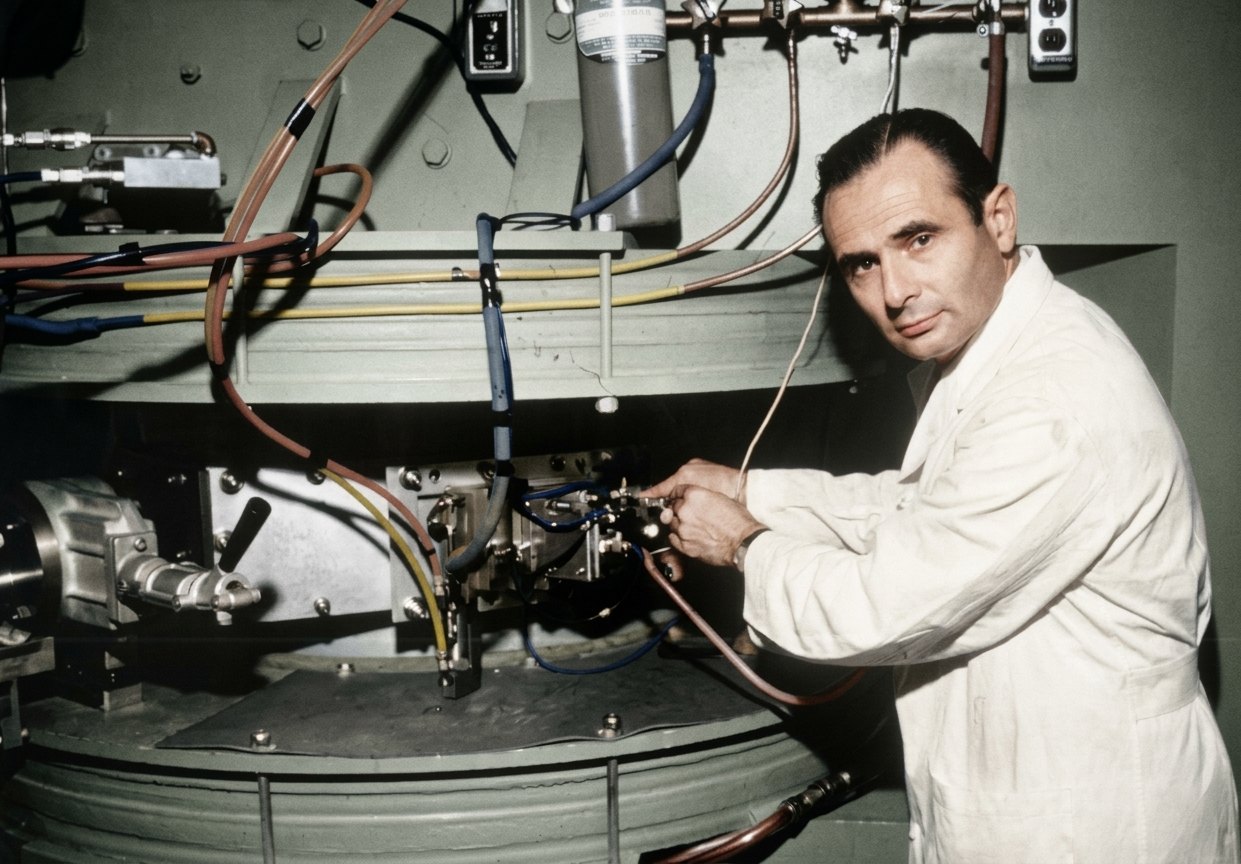
Michel Ter-Pogossian was a renowned Armenian-born physicist and inventor widely recognized in the history of global science and medicine as the father of positron emission tomography. His foundational research and engineering innovations revolutionized modern medical diagnostics, enabling physicians to observe human metabolic processes, brain function, and cardiovascular health noninvasively. Ter-Pogossian's scientific legacy remains vital to the early detection of cancer, neurological disorders, and heart disease. Michel Ter-Pogossian was born on April 21, 1925, in Berlin, Germany, to an Armenian family. Following the Armenian Genocide, his parents settled in Europe, eventually relocating the family to France during the nineteen-thirties. Michel pursued his higher education in Paris, graduating from the Faculty of Sciences at the University of Paris and the Radium Institute, where he worked under the guidance of eminent physicist Irene Joliot-Curie. During the Second World War, he participated in the French Resistance before moving to the United States in 1946 to advance his scientific career. In the United States, Ter-Pogossian enrolled at Washington University in St Louis, earning his doctorate in nuclear physics in 1950. He subsequently joined the faculty of the university's School of Medicine, where he conducted decades of groundbreaking research and teaching as a professor of radiation sciences and division director. Ter-Pogossian focused on the medical applications of