Yeghishe Charents
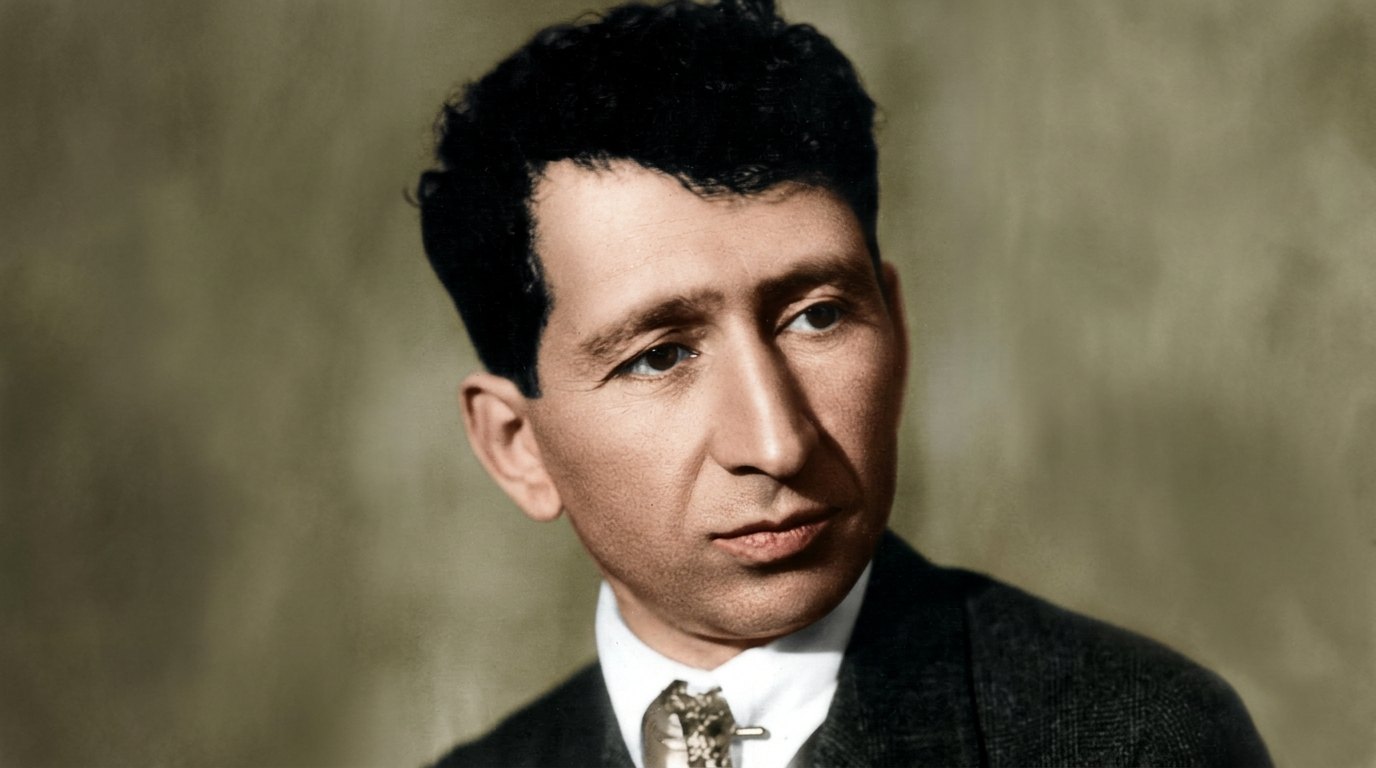
Yeghishe Charents, born Yeghishe Abgari Soghomonyan, was born on March 13, 1897, in the city of Kars in Western Armenia, which was then a part of the Russian Empire. His parents hailed from the Armenian community of the historical city of Maku and were involved in the rug trade. He received his primary education at a local Armenian parish school and later continued his studies at the Russian technical secondary school in Kars from 1908 to 1912. In 1915, amid the upheavals of the First World War and the Armenian Genocide, the young Yeghishe volunteered to fight in one of the Armenian volunteer detachments on the Caucasian Front, an experience that left a profound impact on his worldview and subsequent creative work. The writer's first poem was published in 1912 in the Tiflis periodical Patani, and his first collection, Three Songs to a Pale Girl, was printed in 1914 in Kars. Based on his wartime experiences on the front lines, he authored the poem Dantesque Legend, which became one of the earliest documentations of the horrors of war in Armenian literature. From 1916 to 1917, Charents continued his education at the Shanyavsky Moscow City People's University before returning to his homeland, where he worked at the People's Commissariat of Education and headed various literary and publishing unions. He authored such masterpieces as the poem Frenzied Crowds, the novel Land of Nairi, the collections Tagharan and The Book of the Way, as well as the brilliant ode I Love the Sun-Flav