Levon Shant
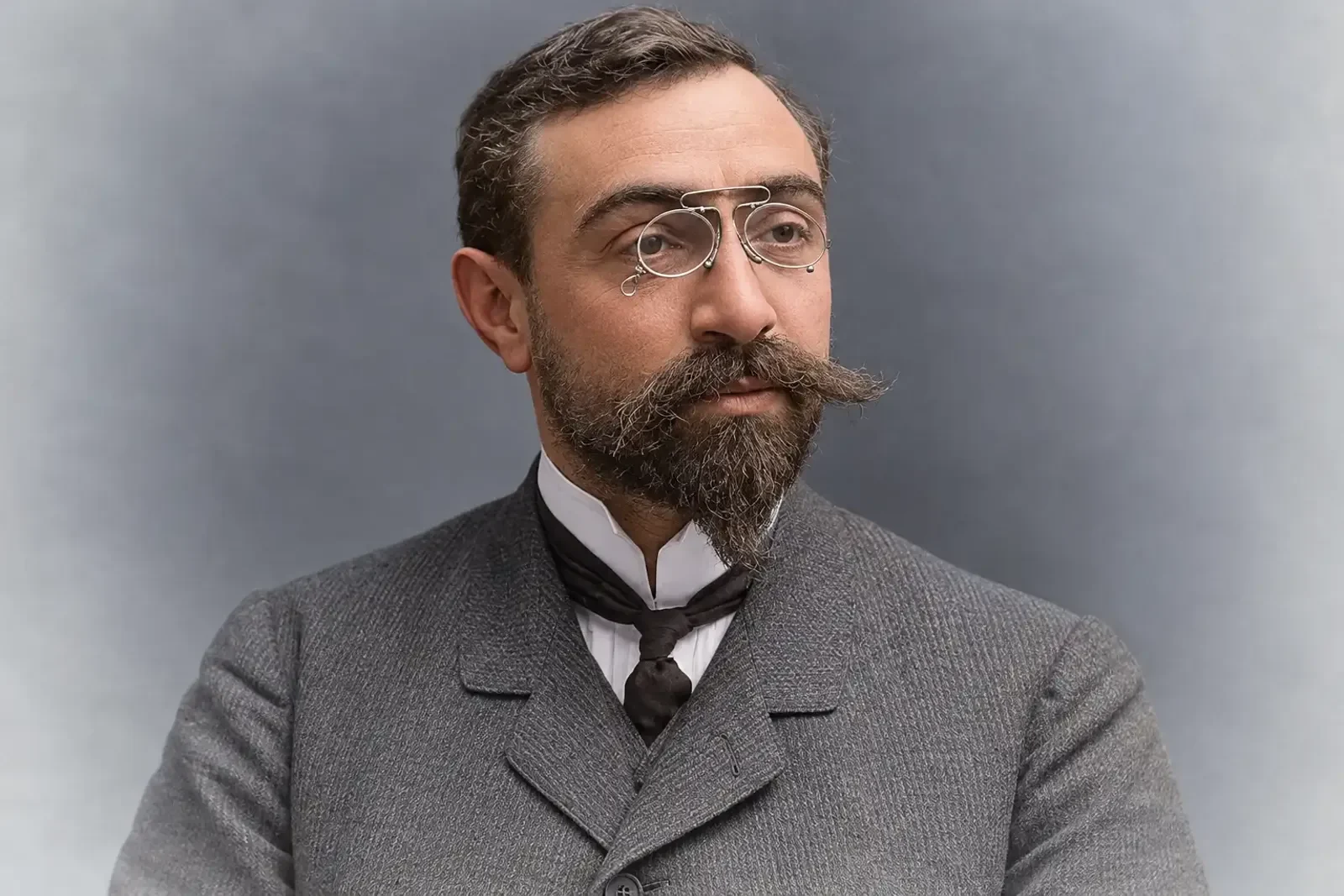
An Armenian writer, playwright, poet, educator, statesman, and public figure, whose birth name was Levon Nahashpetian and who later adopted the surname Seghbosian after his father, Seghbos. He was born on April 6, 1869, in Constantinople into a carpet merchant's family. Orphaned at an early age, he received his primary education at the Scutari Seminary in Constantinople, studied at the Gevorgian Theological Seminary in Etchmiadzin from 1884 to 1891, and continued his higher education in Germany at the universities of Leipzig, Jena, and Munich from 1892 to 1899, specializing in pedagogy, psychology, natural sciences, literature, and history. Levon Shant began his literary and teaching career in the 1890s, teaching at Armenian schools in Constantinople and Tiflis, notably at the Gayanyan Girls' School in Tiflis. In Tiflis, he became a prominent member of the "Vernatun" literary circle founded by Hovhannes Tumanyan, and co-authored the celebrated Armenian language textbook "Lusaber" alongside Hovhannes Tumanyan and Stepan Lisitsian. Early in his literary career, he published poetry, the narrative poem "The Mountain Girl," and psychological and philosophical novellas and novels, including "Evening of Farewell," "Dream Days," "Outsiders," "Verzhin," "The Woman," and "Thirsty Souls." In the history of Armenian literature, Levon Shant holds a foremost place as a master of modern and symbolist drama. In his plays, historical settings and figures serve to explore philosophical questio