Hrachya Kochar
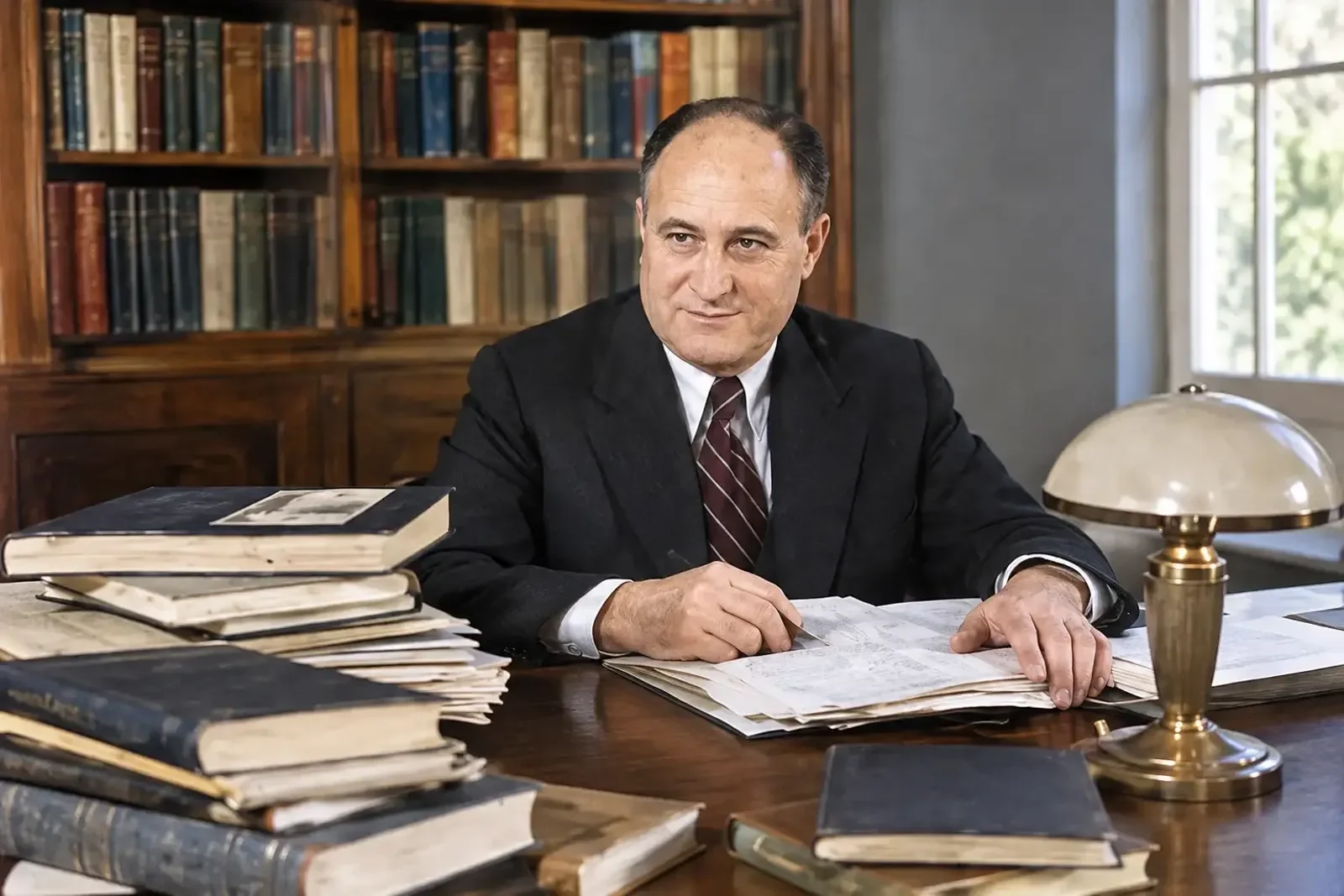
Hrachya Kochar, real name Hrachya Gabrielyan, stands as one of the most prominent and influential figures in the history of twentieth-century Armenian literature, prose, and journalism, whose work has left a profound legacy in the preservation of national memory and culture. Born on January nineteen, nineteen ten, in the village of Kumlibujagh in the Bagrevand province of Western Armenia, he survived deportation and the Genocide during his childhood years. He underwent the arduous path of a refugee before finding sanctuary in Eastern Armenia. He pursued his higher education at the Faculty of History and Linguistics at Yerevan State University, subsequently dedicating his life and professional career to literary composition, publicist work, and civic advocacy. His creative style is characterized by realistic depiction, psychological depth, and profound patriotic dedication. The vital and historic phase of the writer career was marked during World War II, when he deployed to the front lines as a military journalist and war correspondent. The short stories and essays composed during this period, most notably the piece "The General's Sister" published in nineteen forty-four, brought him nationwide recognition and popular acclaim. The pinnacle of his career and creative life arrived with the short story collection "The White Book" and the celebrated novella "Nahapet", wherein he captured with supreme artistry the will, rebirth, and resilience of an Armenian Genocide survivor estab