Charles Aznavour
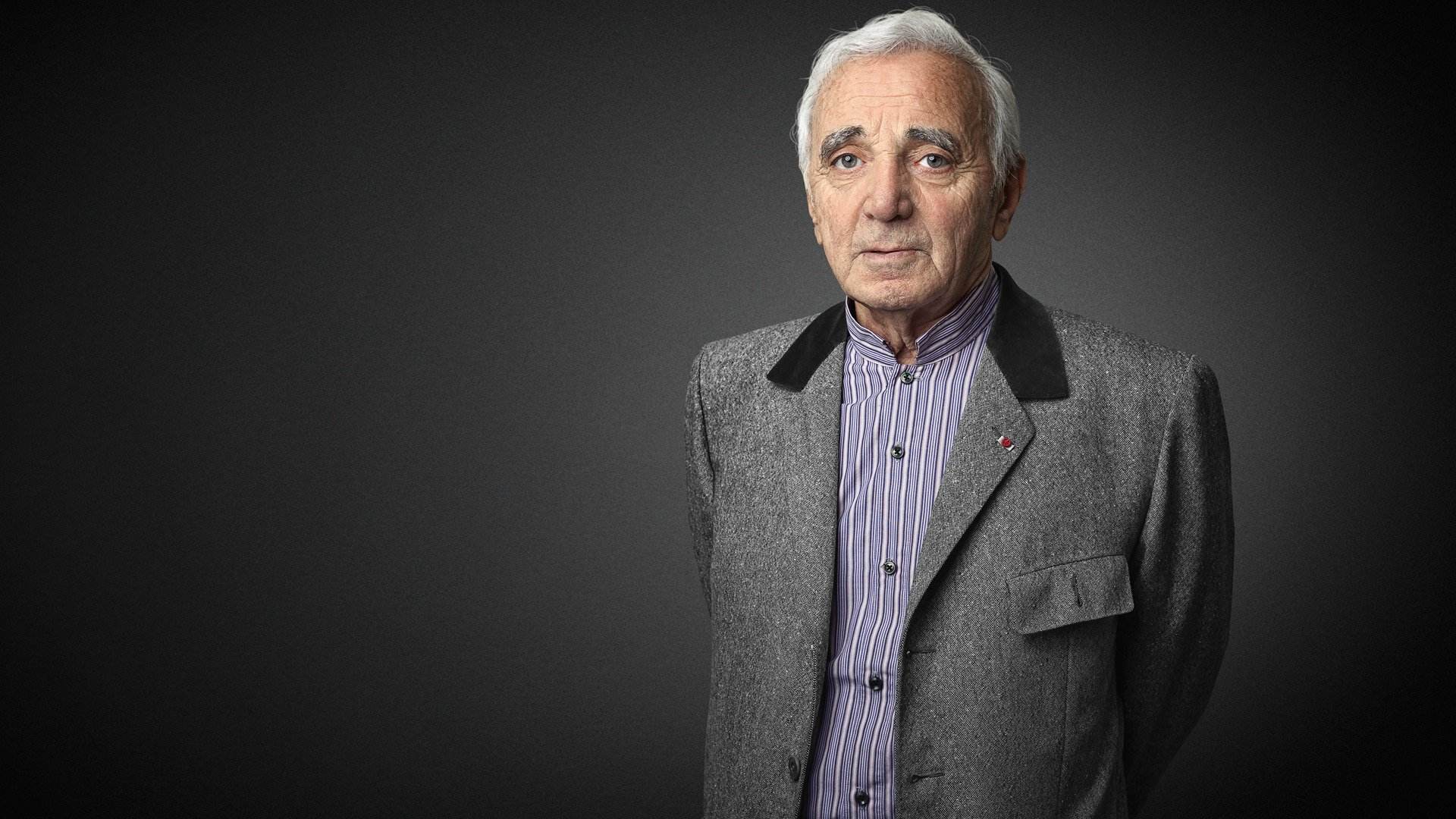
The history of twentieth-century global culture is unimaginable without Charles Aznavour. The legend of French chanson, a genius singer, poet, and actor, he was recognized as the greatest artist of the century, whose voice and emotions knew no boundaries. Aznavour was not merely an ambassador of French culture to the world, but also a magnificent son of the Armenian people, who through his entire life and work embodied the highest values of talent, resilience, and humanity. His art became the spiritual chronicle of a whole era. Born in Paris in 1924 to the family of Vaginak Aznavourian and Knar Baghdasarian, Charles breathed the atmosphere of art from early childhood. However, the path to global fame was far from smooth. For many years, he had to fight against stereotypes, as critics remained skeptical of his unique voice and physical appearance. Everything changed when his talent was noticed by the great Edith Piaf. Soon, the songs written by Aznavour and his inimitable performances conquered the finest stages of Paris, and later, the entire world. He authored more than one thousand two hundred songs, which resonated in various languages and sold millions of copies globally. The bond between Aznavour and his homeland, Armenia, was unbreakable and sacred. Immediately following the devastating Spitak earthquake of 1988, he founded the Aznavour for Armenia organization, launching an unprecedented humanitarian mission. Upon his initiative, world-renowned artists recorded the son