Avetik Isahakyan
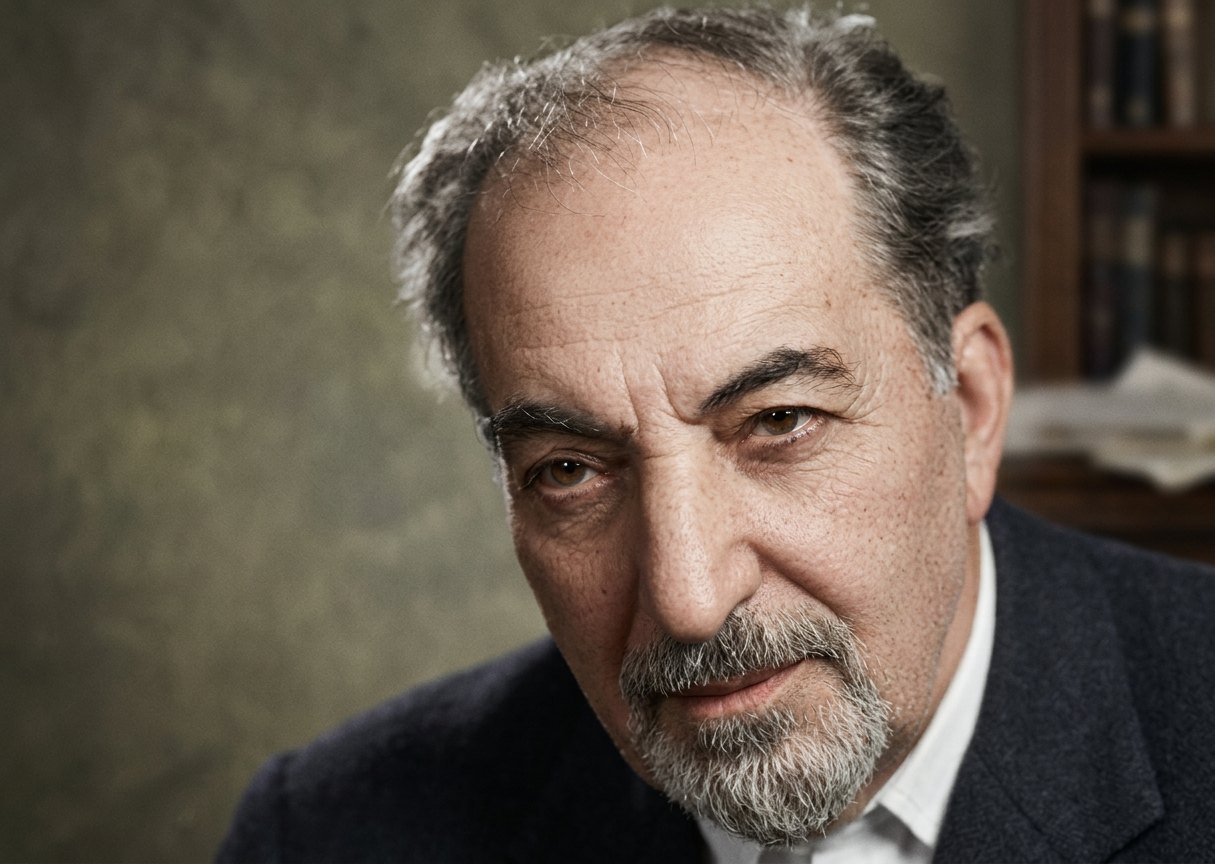
Avetik Isahakyan was born on October 30, 1875, in the village of Kazarapat near Alexandropol, which is currently part of the city of Gyumri in the Shirak Province. He received his primary education at the local parish school and later continued his studies at the Gevorgian Seminary in Etchmiadzin from 1889 to 1892. In order to enrich his knowledge, Isahakyan traveled to Germany in 1893, where he attended lectures on literature and philosophy at the University of Leipzig as a non-matriculated student. After returning to his homeland in 1895, he became actively involved in the national liberation struggle and political activities, which led to his arrests by the Tsarist authorities in 1896 and 1908. The writer's first collection of poems, titled Songs and Wounds, was published in 1897 and immediately brought him widespread recognition. To escape further persecution, Isahakyan was forced to leave his homeland in 1911 and lived in Europe for many years, particularly in Berlin, Geneva, and Paris. During these years, he created one of his most famous works, the poem Abu Lala Mahari, and also worked on the extensive novel Usta Karo, which remained unfinished. He was also one of the founders of the German-Armenian Society and actively raised the Armenian Question within European circles. In 1936, Isahakyan permanently returned to Soviet Armenia, where he spent the last two decades of his life. In 1943, he was elected an academician of the Armenian Academy of Sciences, and from 1944 u